القدس
Jerusalem
A city sacred to three faiths, whose Old City and walls are a UNESCO World Heritage site.
Chapter I · Land
ما هي فلسطين؟
A land between the Mediterranean and the Jordan River, its cities, and the people who have lived there for generations.
Palestine is the name used for centuries for the land between the Mediterranean Sea and the Jordan River. It runs from the hills of the Galilee down to the Negev desert and the Gulf of Aqaba. Coastal plain, limestone highlands, the Jordan Valley and the lowest point on earth at the Dead Sea all sit within roughly 27,000 square kilometres.
Under Ottoman rule, which lasted from 1516 to 1917, the land was administered as several districts. Jerusalem became a separately governed sanjak in the 19th century. The name "Filastin" appeared in Arabic newspapers, maps and everyday speech well before the British Mandate gave it a formal border.
القدس
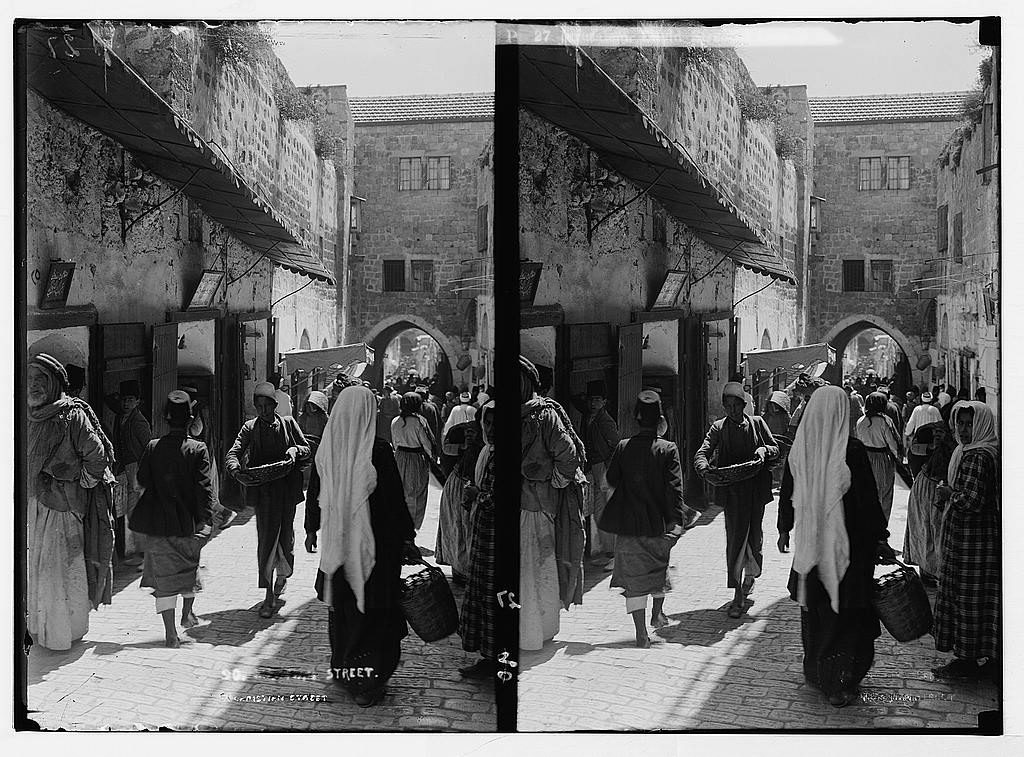
A city sacred to three faiths, whose Old City and walls are a UNESCO World Heritage site.
يافا
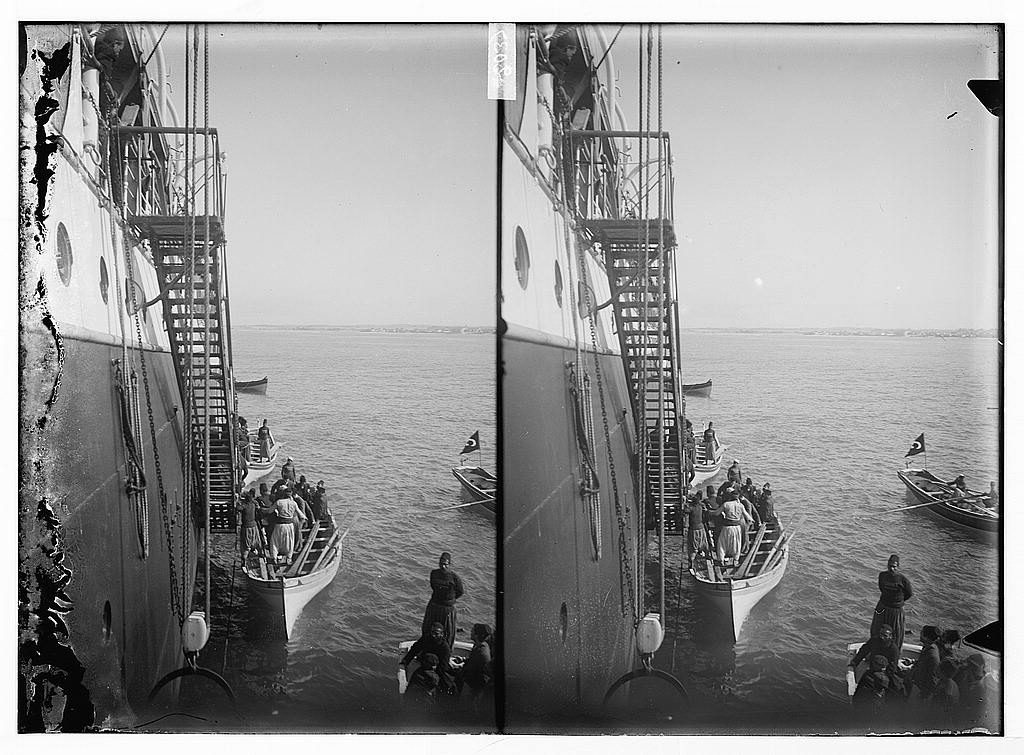
An ancient port whose oranges were exported worldwide. Before 1948 it was among the largest Arab cities in Palestine.
نابلس
A city of soap factories, knafeh and old caravan trade, set in the valley between Mount Ebal and Mount Gerizim.
الخليل
Famous for glass and ceramics. Its Old Town has been a UNESCO World Heritage site since 2017.
بيت لحم
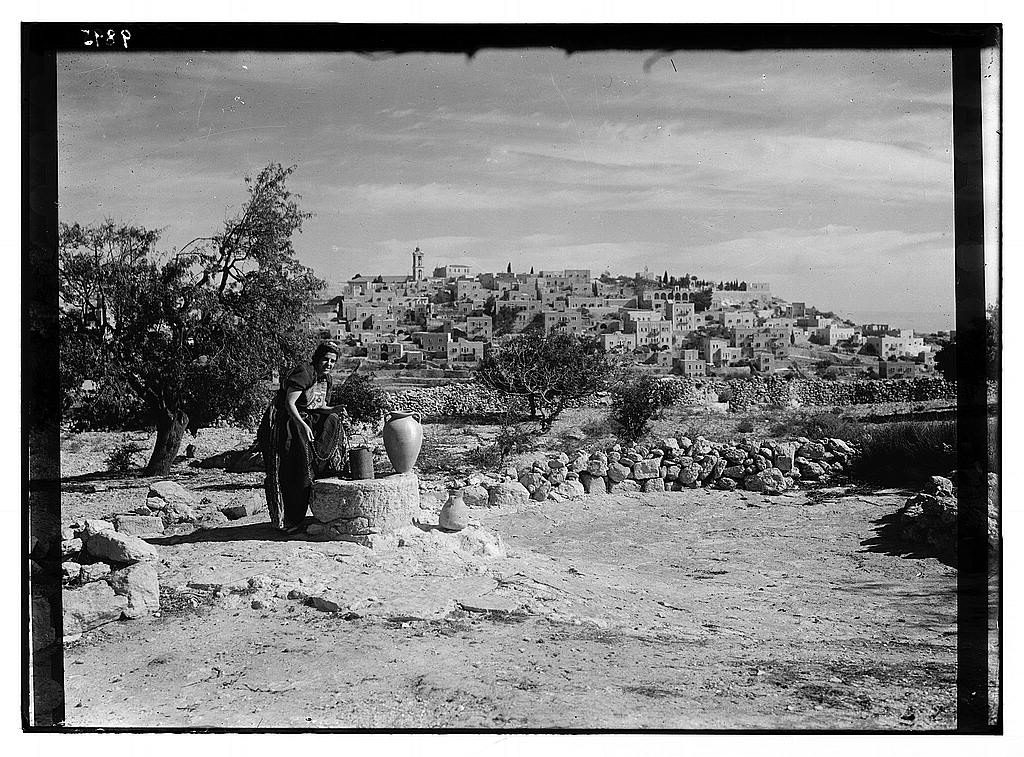
Home to the Church of the Nativity, one of the oldest continually used churches in the world.
غزة
One of the oldest continuously inhabited cities on earth, and for thousands of years a crossroads between Africa and Asia.
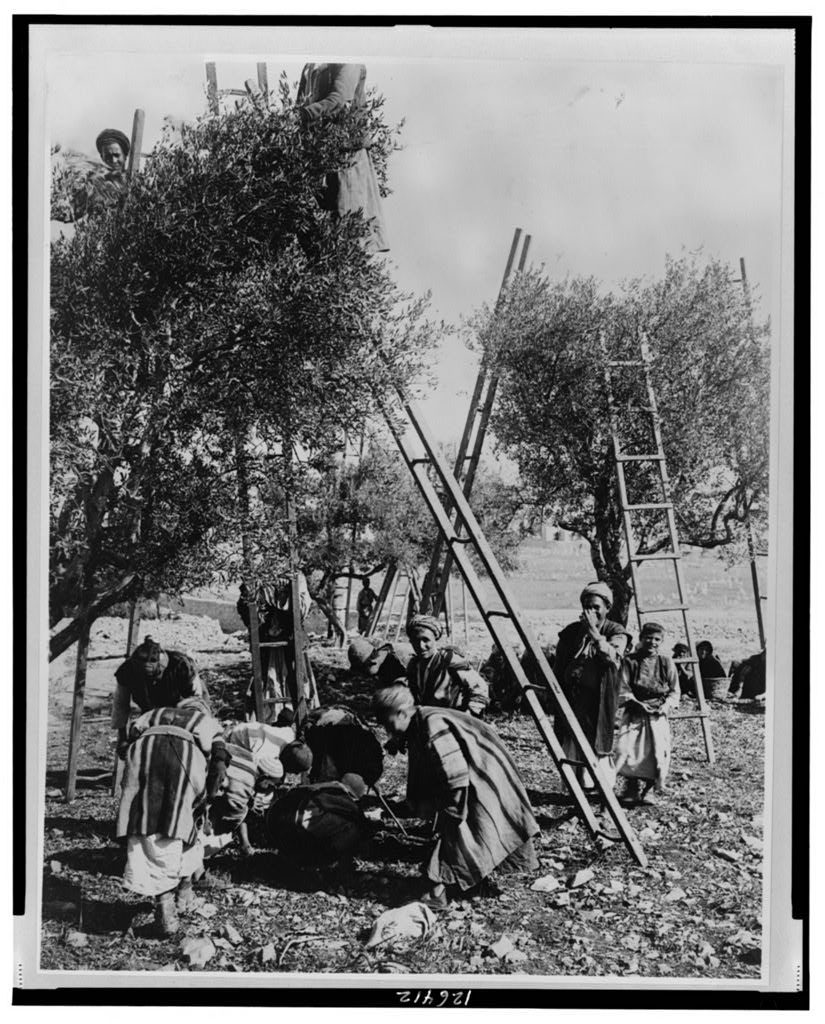
In 1922 the first British census counted about 757,000 people. Roughly 78% were Muslim, 11% Jewish and 10% Christian. Most Palestinian Arabs were farmers living in more than 800 villages. Their lives were organised around olives, grain, citrus and seasonal work.
Today about 15 million Palestinians live worldwide, according to the Palestinian Central Bureau of Statistics. Roughly half live in historic Palestine and half in exile.
Interactive map
Mandate Palestine under British rule. About 1.85 million people, roughly two-thirds of them Arab.
Archival memory corridor
Before 1948, a living country. Its markets, harvests and ports.